

Running injury rehab from an experienced RMT.
Brooke Hulke gets it! She is an avid runner and RMT who knows how much effort, skill, and dedication go into training and running.
Brooke will check with the athlete where they are in their training cycle. Perhaps they increased their hard efforts too quickly or mileage too fast leading to pain or fatigue.


She will look for bio-mechanical problems, muscle imbalances, and the home care routine of the athlete.
Her main goal is to get the athlete feeling fresh and ready to enter their race.
Athletes get one another.

Let’s look at your training cycle.
When it comes to running injury rehab, as a skilled registered massage therapist, I need to figure out where your pain is coming from.
When did your discomfort start in your training cycle?
What is your prehab routine (stretching, foam rolling, warm-up and cool down)?
Has the terrain you use for running changed?
Has your running increased?

As a skilled registered massage therapist, I pay close attention to your biomechanics. I look for possible muscle imbalances and restrictions during your massage and myofascial release.
While performing running injury rehab, my goal is for you to toe the line and cross the finish line.
Biomechanics matter.
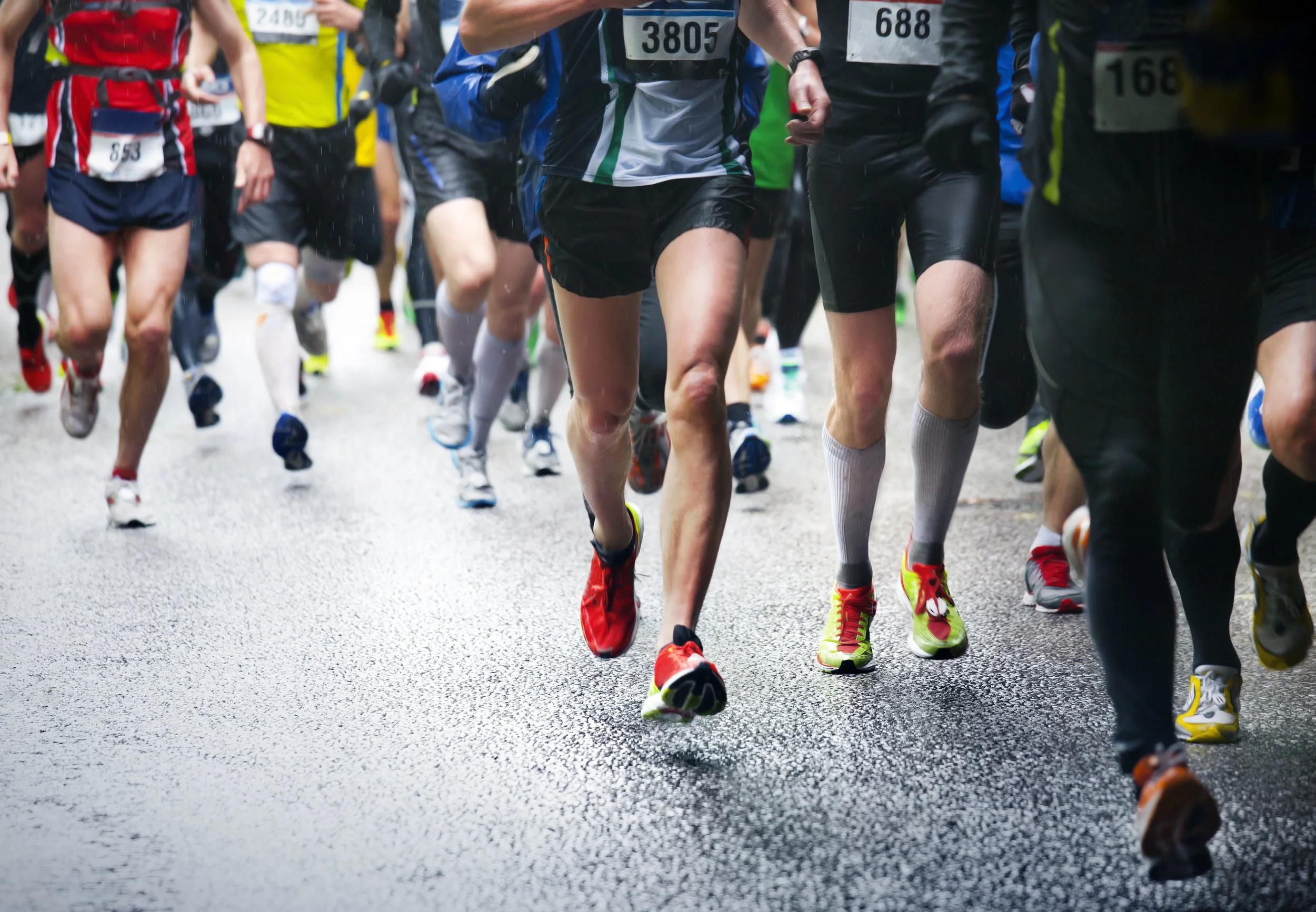
A client came in less than a week before their first half-marathon. They could not run more than 2 km without experiencing severe knee pain.
We did three running injury rehab treatments that week. Not only did they finish the race, they were only five minutes slower than their original goal time.