

Race Recovery Part 2

The following list of what happens during your long-distance race and how to recover from it is not within my scope of practice, so the following information is paraphrased and linked through research and personal anecdotal information. Most of these symptoms are the result of long-distance races (over a half marathon) and ultramarathons.
Glycogen depletion
Dehydration
GI distress
Immune system suppression
The extras: blisters, chafe, lost toenails, and more!

Glycogen Depletion
Glycogen is the carbohydrate that is stored in the muscles and liver and is used to fuel activity. It's only stored in a small amount and will sustain your activity for 60–120 minutes, depending on the person and how hard they are working. Once an activity has gone over that, we need to be consuming carbohydrates to continue. It's pretty impossible to completely replace the amount of glycogen being burned during a long effort, so we end up depleted.
For example, on my last ultra I burned approximately 6,000 calories, about 3,500 of which were carbohydrates. I consumed approximately 2,500 calories, equalling 1,000 grams of carbohydrate—not counting how many cups of Coke I drank! That leaves me with a caloric deficit of about 3,500 and a carbohydrate deficit of 2,500.
These numbers are based off my watch, which is only giving a best guess, but as you can see, that leaves a lot of catching up to do.
Here is a great article to learn more:
https://pmc.ncbi.nlm.nih.gov/articles/PMC2958805/
Signs you might be depleted after your long effort
Brain fog
Intense cravings
Cold sweats and shaking
Heavy limbs
Extreme exhaustion
Irritability
Recovering from glycogen depletion sounds so easy, and often on a long run we spend a lot of time fantasising about what food we want to eat after it's over. However, sometimes our stomach has a different plan.
Do your best to eat something within 30 minutes of stopping exercise. That something should be carbs and as many as you can get in. If you’re running ultra distances, you will likely be very hungry for days after the event. Eat all the food!!
Here is another great article about recovering from glycogen depletion:
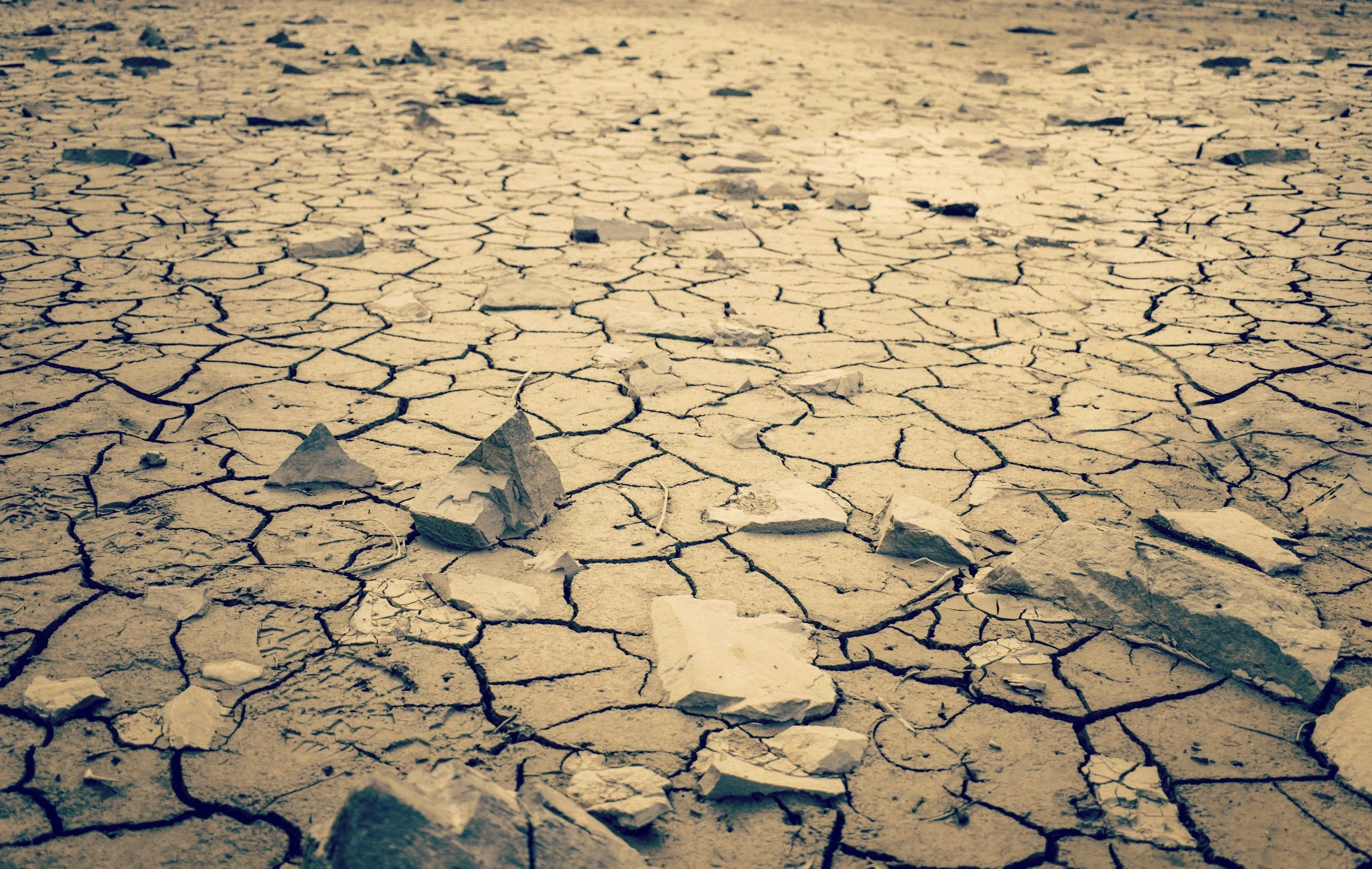
Dehydration
I really struggle to drink enough water in my daily life and when I’m running. I’m really working on it, though, and have noticed a huge difference.
What I learned recently is that dehydration can lead to GI distress and cause you to be unable to absorb the nutrition you're consuming during your race, so it just sits in your stomach, sloshing around and making you feel terrible. I always thought it was from drinking too much, but it may actually be the opposite.
Signs of dehydration
Thirst and a dry mouth
Headaches or dizziness
Nausea and heavy fatigue
Dark yellow or brown urine
Some great tips from a dietitian:
https://www.hopkinsmedicine.org/health/expert-qa/sports-and-hydration-for-athletes

GI Distress
Nearly every runner has experienced this to some degree. All you need to do is hang out with a group of runners for a bit and inevitably talk turns to “funny” stories of times we nearly crapped our pants or emergency bush poops.
The internet is littered with pictures and stories of the unfortunate ones who didn’t quite make it to a toilet.
The typical cause is jostling of the contents of your stomach and bowels, and reduced blood flow to your GI, causing contents to sit stagnant.
Signs of GI distress
Cramping
Bloating
Diarrhea
Vomiting
Typically, these symptoms resolve themselves after you have finished your race. It may take a few hours, but eventually your GI will get back on board.
Tips to avoid GI distress in the first place
Train your gut. Use your long, easy runs to get your stomach used to ingesting gels and other nutrition and liquids during activity.
Limit aggravating factors such as caffeine or spicy food.
Stay hydrated.
Find what works for you and stick with it.
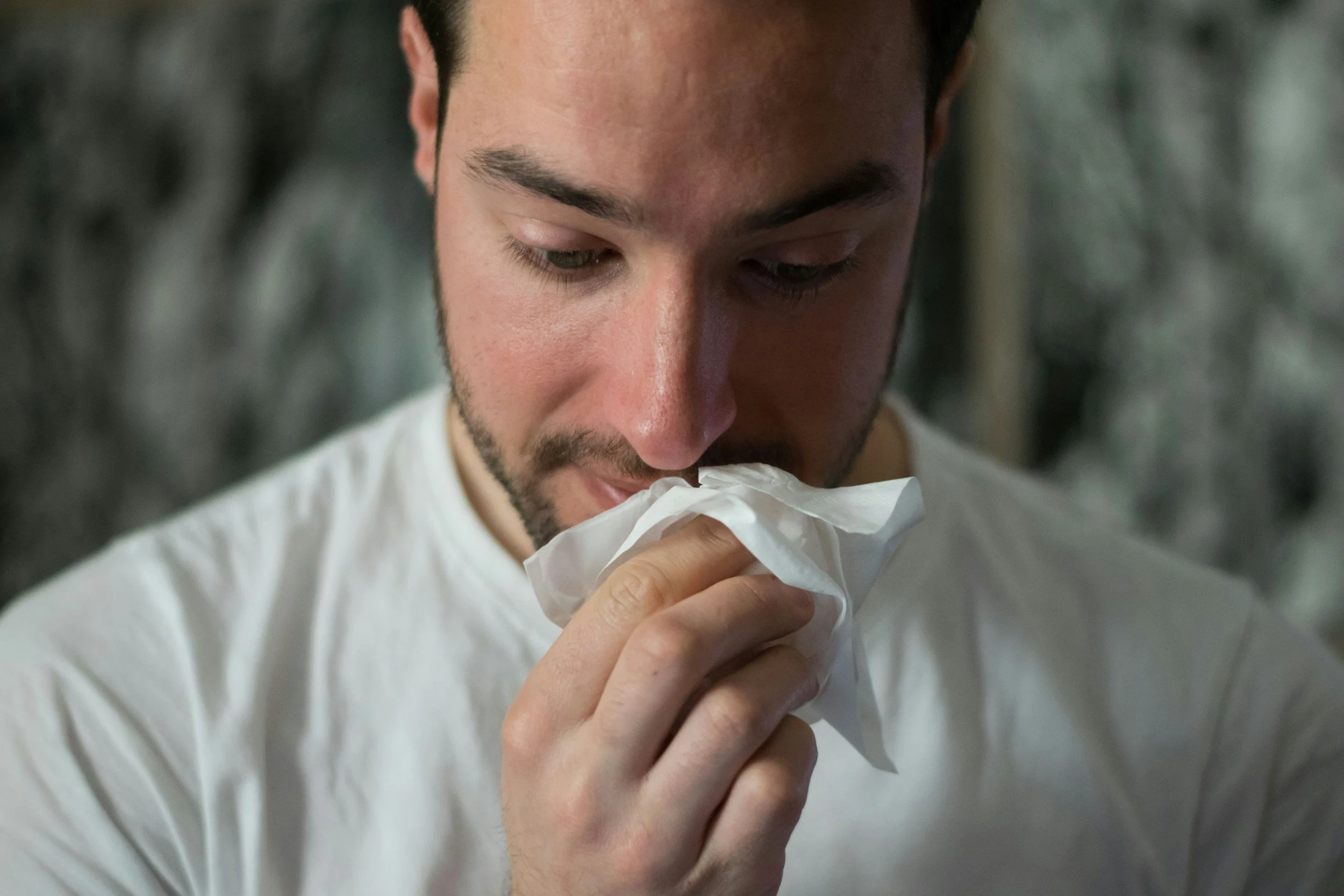
Immune System Suppression
These articles are a wonderful reference:
https://pmc.ncbi.nlm.nih.gov/articles/PMC3475230/
https://pubmed.ncbi.nlm.nih.gov/17465622/
https://rightasrain.uwmedicine.org/body/exercise/running-immune-system
These are the highlights.
The first 3–72 hours post-race
Lower cell counts: White blood cells and antibodies drop temporarily after extreme exertion.
Cell movement: Recent studies show some immune cells move to tissues instead of disappearing, meaning heightened surveillance rather than total suppression.
Infection risk: Runners face a higher chance of catching upper respiratory infections right after a hard race.
Why It Happens
Stress hormones: High adrenaline and cortisol levels spike during the race and suppress normal immune responses afterward.
Crowd exposure: Post-race expos, crowded finish lines, and travel expose you to many new germs.
Depletion: Dehydration and lack of quick refueling impair your body's mucosal barriers and recovery.

The Extras!
No one escapes the black toenails, chafe, blisters, sunburns, poison ivy, or scraped-up knees. Eventually, you’ll wear them with pride and as a badge of honour!
Properly recovering from a race is so important. Take the time to nourish your body, rest it appropriately, and thank it for a job well done.
It worked really hard and deserves all the love, especially if you’re going to ask it to do it all over again, and again, and again!!
Happy running and recovery!
I am a massage therapist working in Kitsilano near Broadway and Bayswater.
I would like to acknowledge that I live and work in Vancouver and Kitsilano which is located on traditional Coast Salish territory. The land that is currently known as Kitsilano has been shared by the xʷməθkʷəy̓əm (Musqueam), Sḵwx̱wú7mesh (Squamish), and səlilwətaɬ (Tsleil-Watuth) peoples since time immemorial.